7 Ways to Raise Kind Kids | Random Acts of Kindness Day
Kindness is contagious, regardless of age. Think about it; nothing is sweeter than being on the receiving end of a little drive-thru kindness when the stranger in front of you pays for your coffee on a dreary Monday morning. You instantly perk up and start thinking of ways to pass it on.
This type of overflowing, generous kindness is not easy to teach our kids. In a world where everything seems to be about “me,” selfless kindness can be challenging to learn. If only there was some mommy rule book that spelled it out for us. Fortunately, we do have an army of other parents out there who are fighting for the same thing. So, in the spirit of passing it along, we’re giving you 7 ways to teach your child to spread kindness:
1. Model it yourself.
Remember how we said kindness is contagious? Well, it’s also true for your kids. As we all know, our kids watch our every move and try to emulate everything we do and say – yes, even the things we wish they didn’t hear! So why not take advantage of the opportunity with your mini-me and show them the generous kindness you want them to learn.
2. Be generous as a family.
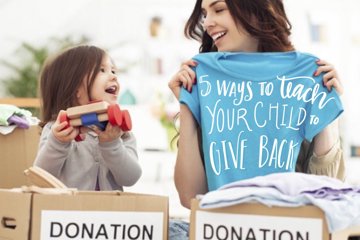
Before you skip over this one -- generosity doesn’t always mean money. You can be generous with your time, your possessions, and your talents. Take a Saturday and spend it as a family delivering meals to the homeless. Help your kids clean out the playroom and donate toys to the local children’s home. Bake a special treat and head over to the neighbor’s house to brighten their day. Walk dogs at the local animal shelter. Whatever you choose to do, being selfless as a family is a great way to instill kindness into your children. After all, experience is the greatest teacher.
3. Teach them about diversity.
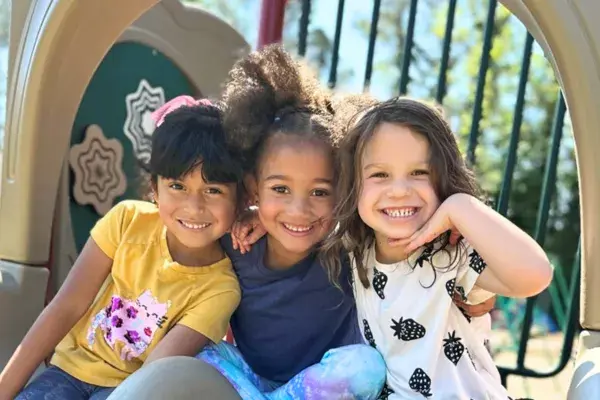
You are probably thinking this one might be trickier than it seems, but it’s actually quite simple. Have open and honest conversations with your kids, teaching them that everyone is different and everyone is special. A great way to do this is to read books with your kids about people who are different than them. Read books about people who have disabilities, speak a different language, have a different skin color, are athletically talented or musically gifted. No matter what you do, teach them that diversity is good and diversity is beautiful.
4. Teach them the importance of kindness.
No matter how big or small, every ounce of kindness your child gives is important. Make sure they know that! Praise them when they show kindness on their own, and gently encourage them when their attitude isn’t quite there. Teach them that even little acts of kindness, like picking up paper on the floor after class, is a special way to show their teacher how much they care about them.
5. Teach them the importance of thankfulness.
This goes beyond having good manners and dives into being truly thankful for the things they have and the people in their life. Yes, teach them to say, “thank you,” but also remind them that not every child has the same life they have. Every single toy or opportunity they have is a reason to be thankful. This might be a little more difficult to teach the little ones, but repetition is key. The more you say it, the more they will believe it, and over time they will grasp the idea. Being thankful is being kind.
6. Teach them practical ways to be kind.
Telling a child to be kind is one thing, but sometimes kids simply just don’t know what you mean. Teach them things to say like, “I’m glad to see you!” or “Have a great day!” Encourage them to smile and wave and be a friendly face. Teach them small acts of kindness like picking something up when someone drops it, offering to take their trash at lunch, or inviting someone to play with them at recess. Start small, and give your kids practical ways to show kindness to those around them.
7. Go above and beyond.
This extends kindness to compassion and empathy. After your kids master the small acts of kindness, teach them how to be generously kind, thinking of others first. This means stepping out and asking how they can help their teacher after school, or sitting and listening to a friend when they’re upset and offering encouragement. Teach your kids that kindness isn’t always easy and it’s not always going to be reciprocated, but it starts with one person. Who knows, your child very well might be the contagious smile and generous personality that spreads kindness around their school like wildfire.
Kindness doesn’t happen overnight — it’s something that grows through daily moments, intentional teaching, and loving example. When we model compassion, celebrate differences, and give our children simple ways to care for others, we’re helping shape a generation that leads with empathy and generosity. Whether it’s a small smile or a big act of service, every kind choice matters. This Random Acts of Kindness Day and beyond, let’s continue raising children who make the world a brighter, kinder place — one thoughtful act at a time.